
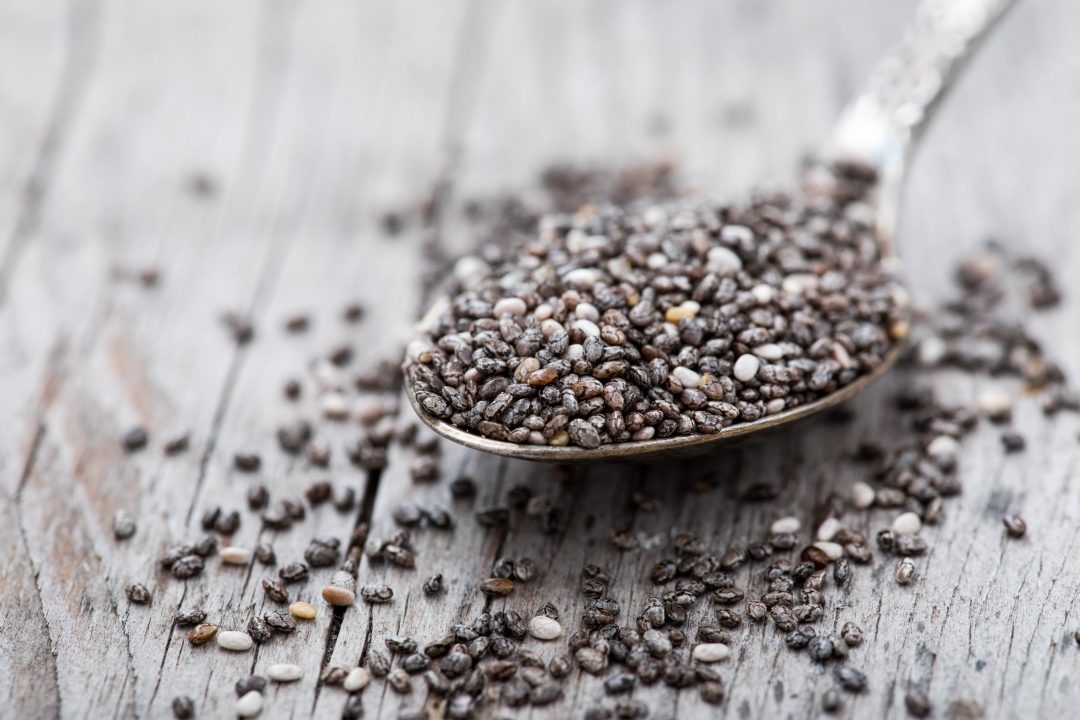
These tiny seeds pack a powerful nutritional punch and so easy to add to your daily routine and guess what!? Your kids will eat them without even knowing it!!
I have been using them for many years, even before they became “trendy” – love that!! 😊
- Tip: try adding a couple of teaspoons to your kid’s water bottle
So why are these tiny
little seed so good?
To begin with a mere 28
grams (1oz) or 2
Tbsp serving of chia seeds contains
- Fiber: 11 grams.
- Protein: 4 grams.
- Fat: 9 grams (5 of which are Omega-3s).
- Calcium: 18% of the RDA.
- Manganese: 30% of the RDA.
- Magnesium: 30% of the RDA.
- Phosphorus: 27% of the RDA.
- They also contain a decent amount of Zinc, Vitamin B3 (Niacin), Potassium, Vitamin B1 (Thiamine) and Vitamin B2.
Super impressive
when you consider that this is just a single
serve only 137calories and one carbohydrate!
Just so that we’re all on the same page, 28 grams, is about 2 tablespoons.
Interestingly… if you subtract the fibre, which may not end up as usable calories for the body, chia seeds only contain 101 calories per 28grams / 2 Tbsps.
This makes them one of the world’s best sources of several important nutrients, calorie for calorie.
To top things off, chia seeds are a “whole grain” food, are usually grown organically, are non-GMO and naturally free of gluten.
Makes them one of the world’s best sources of several important nutrients
Takeaway: Despite their tiny size, chia seeds are among the most nutritious foods on the planet. They are loaded with fibre, protein, Omega-3 fatty acids and various micronutrients. In my book this make them a must have in your pantry!
They also contain a good balance of essential amino acids, so our bodies should be able to make use of the protein in them……. Aren’t our bodies amazing!?……
Chia seeds are also high in antioxidants that help to protect the delicate fats in the seeds. They also have various benefits for health.
So, what is an antioxidant?
Antioxidants are substances that may protect your cells against the effects of free radicals — molecules produced when your body breaks down food or is exposed to tobacco smoke and radiation. Free radicals may play a role in heart disease, cancer and other diseases. … Plant-based foods are the best sources.
Fibre
Fibre is an
important nutrient that most children (and parents) are not getting enough of
each day.
As parents, we do our best to feed our family healthy foods however we need may
require help with choosing good sources of fibre.
How Much Fiber Do Children Need?
Yes, there are different fibre recommendations for children based on energy needs, age, or weight.
A simple way to make sure
your children are getting enough fibre is obviously making healthy food choices.
If you’re able to get your kids to eat at least 5 servings of fruits and vegetables each day along
with other foods that are good sources of fiber, there is really no need to worry.
However, does this happen in most households?
So how much fibre?
An average 5-year-old
would need about 10 grams each day.
TIP: If you are struggling to get 5 plus a day into your kids adding some Chia Seeds to their daily routine can be a big help.
“What are some simple ways to add Chia seeds to your daily eating routine?”
- As I said earlier, add to your families drinking water, it’s nice to add a good squeeze of lemon or orange juice to give it some flavour.
- Add to pureed fruit or vegetables like pumpkin or a mix of mashed vegetables, allow a little time for the seed to swell and be mindful you have to add a little more liquid after they have had time to swell.
- Try the Chia Delight recipe and change up the fruit for different seasons or tastes.
Add to soups, casseroles, muffins. Be mindful of the amounts you add as you will have to take into account the chia seeds swelling here too.
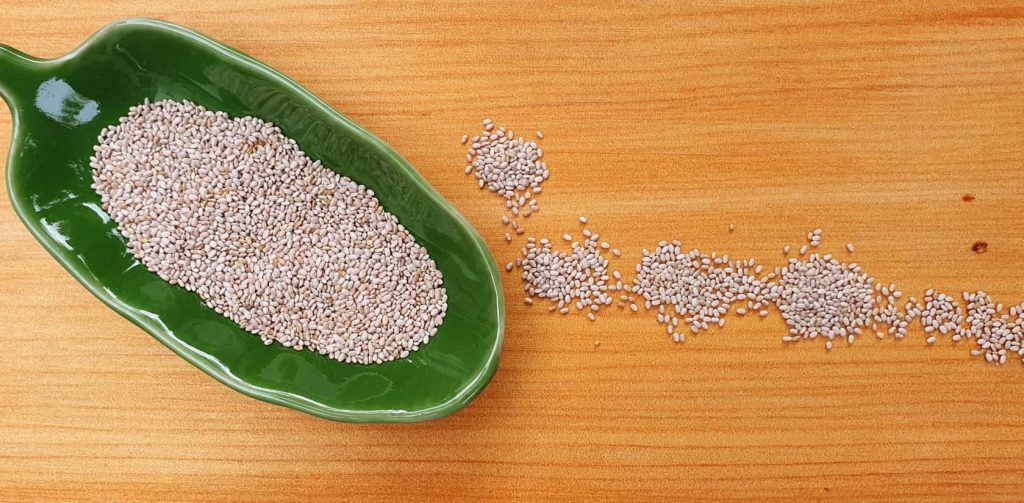
I hope you enjoy trying Chia seeds if you haven’t already and if you have and would like to share, please pop on to our facebook or Instagram pages:
KarenOvens-creatingwellkids


No Comments